Perte d’emploi après 50 ans
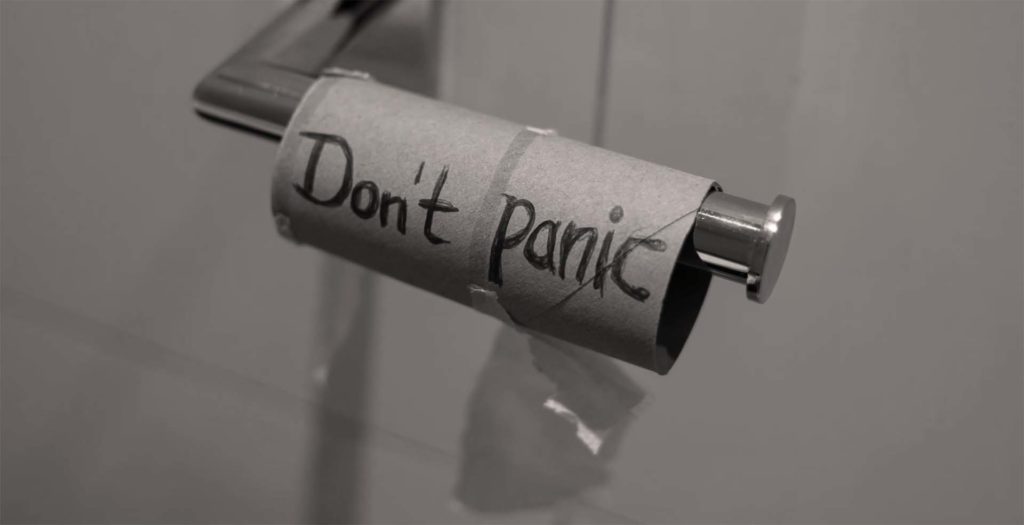
Perte d’emploi après 50 ans, quelles sont les mesures à prendre ?
De notre expérience avec nos clients, les licenciements après 50 ans deviennent de plus en plus fréquents. Une telle situation peut être un choc important, en particulier pour les personnes qui ont passé plusieurs décennies au sein de la même entreprise et qui sont déstabilisées face à ces nouvelles incertitudes.
Les entreprises de outplacement et aussi les offices cantonaux de l’emploi prennent en charge les intéressés pour soutenir leurs efforts en vue d’un retour à l’emploi. Mais perdre son emploi a aussi des conséquences sur l’organisation de son patrimoine et nous avons donc décidé de publier ce petit « vade me cum » pour aider les personnes touchées à traverser cette période avec davantage de sérénité.
1. S’y préparer avant.
Installé dans un confort certain depuis de nombreuses années, vous ne prêtez qu’une attention moyenne à votre budget, vos revenus couvrant vos charges. Une baisse, parfois substantielle, de revenu peut donc être un choc de grande importance. Pourtant, à partir de 50 ans vos charges pourraient aussi baisser : les enfants vont prochainement accéder à l’autonomie financière, une partie de votre hypothèque a peut-être été remboursée, les grosses dépenses de biens d’équipement (voiture, électro-ménager etc.) deviennent moins fréquentes. Certaines circonstances peuvent en revanche engendrer une hausse, typiquement un divorce.
Il est donc opportun de revisiter son budget et à cette occasion d’imaginer un « scenario du pire« , car un plan financier bien construit vous fournira une base mentale qui renforcera votre stabilité émotionnelle, si un licenciement devenait survenir.
Partant de là, vous voudrez peut-être renforcer votre épargne. Elle sera votre coussin de sécurité en cas de choc, mais servira aussi et surtout à la préparation de votre retraite. Cette épargne peut être constituée « librement » ou à travers les enveloppes de prévoyance, avec des bénéfices fiscaux qui sont généralement considérables.
2. Que faire lorsque le licenciement est annoncé ?
Pensez à contrôler plusieurs éléments : le délai de congé est-il respecté ? Le licenciement est-il couplé au versement d’une indemnité de départ ? Quel en est le traitement fiscal ? Quels seront vos prestations de chômage (attention ces dernières sont plafonnées) ? Quel est le délai pour accéder à ces prestations (en particulier en présence d’une indemnité de départ) ? Pensez à votre couverture accident, car cette dernière échoit 31 jours après la cessation des rapports de travail.
Le traitement fiscal de l’indemnité de départ a été détaillé dans l’une de nos précédentes lettres. Nous rappelons ci-dessous les trois cas où il est possible d’en mitiger l’impact :
- Indemnité versée à l’employé pour combler tout ou partie d’une lacune de prévoyance future qui apparaît du fait du licenciement. Si les conditions sont respectées, l’indemnité sera fiscalisée à 1/5eme du taux d’imposition, soit environ 10% en moyenne en Suisse Romande.
- Versement de l’indemnité directement dans le plan de prévoyance pour combler la lacune induite par le licenciement. L’avoir de prévoyance augmente d’autant et l’indemnité est déductible de l’impôt sur le revenu.
- La personne licenciée procède à un rachat dans sa prévoyance si une réserve de rachat existe (ce qui est souvent le cas). Le montant de ce rachat n’est pas lié à celui de l’indemnité mais reste déductible fiscalement (gain fiscal par compensation).
Attention : dans tous les cas, ces actions doivent être mises en œuvre avant la fin des rapports de travail.
3. Que faire dans les mois qui suivent ?
Le premier choc est passé, vous avez pris toutes les mesures d’urgence, les réflexions plus stratégiques peuvent débuter. Avant de commencer dans cette voie, il convient de se rappeler de deux règles en apparence triviales, mais tout de même d’importance :
- L’organisation de votre patrimoine va dépendre de vos ressources et de vos choix, qu’ils soient déterminés ou subis.
- A 50 ans, vous vivrez encore 10 à 15 ans d’activité professionnelle, suivis de 20 à 25 ans (ou plus) de retraite !
Dès lors, il est impératif d’intégrer le financement de votre future retraite dans tous les plans que vous pourrez échafauder pour votre avenir professionnel à court et moyen termes. Ces plans sont aussi nombreux qu’il y a d’individus, nous avons toutefois choisi de les grouper en quatre catégories :
- Retour à l’emploi salarié : quel niveau de salaire puis-je espérer ? Quel est le niveau minimum dont j’ai besoin ? Quel est ma marge de manœuvre ? N’oubliez pas de contrôler la solidité de la caisse de pension de votre futur employeur (voir notre lettre de juin 2021 sur le blog de notre site à ce sujet).
- Accession à l’indépendance : c’est décidé, vous allez devenir votre propre patron ! Ce choix implique toutefois encore plus d’incertitudes que dans notre premier scenario : quels seront mes revenus, à partir de quel moment pourrai-je espérer les générer, quelles sont mes options en cas d’échec. Dans un tel cas vous devrez rédiger un plan financier pour votre entreprise et un autre pour votre situation personnelle avec, dans l’idéal, également une solution de repli.
- Chômage de longue durée : option a priori réservée à ceux qui sont proches de l’âge de la retraite anticipée, cette approche implique généralement une très forte baisse du niveau de vie. Dès lors, il faut planifier soigneusement votre budget, parfois avec une consommation de votre épargne jusqu’au moment où vous prendrez votre retraite anticipée.
- Retraite anticipée : en Suisse la loi vous autorise à prendre une retraite anticipée à partir de 58 ans au sens de la LPP. Pour l’AVS les règles sont différentes et seuls deux ans d’anticipation sont possibles par rapport à l’âge de retraite légal. Et en plus vous devrez contribuer aux cotisations AVS même si vous êtes déjà « retraité LPP ».
Dans tous les cas, il convient d’élaborer un plan financier pour le long terme, c’est à dire y compris la phase de vie incluant votre retraite : même si dans la « vraie vie » les choses seront différentes un tel plan vous permettra de contrôler la pertinence de vos choix et d’assurer la bonne mise en œuvre de mesures d’optimisation.
S’agissant du devenir de votre avoir de prévoyance (« prestation de libre-passage« ), il convient ici aussi de respecter certaines règles :
- Contrôler tout d’abord s’il est possible de rester affilié auprès de la caisse de prévoyance de votre futur ex-employeur, avec maintien ou non des contributions d’épargne. La loi prévoit aujourd’hui cette possibilité pour toute personne à partir de 58 ans et certaines caisses abaissent ce seuil à 55 ans. Cette approche permet de continuer à bénéficier d’un taux de conversion bien plus élevé que si vous optiez pour un libre-passage, de nombreuses fondations ne permettant d’ailleurs aucune autre possibilité qu’une sortie en capital. Vous resterez ainsi dans une approche de gestion prudente, vraisemblablement avec des rendements des capitaux inférieurs à ceux qui seraient obtenus dans un dépôt de libre passage. C’est donc un choix qui dépendra de vos objectifs et de votre personnalité face aux risques des marchés financiers.
- Dans tous les autres cas vous procéderez à l’ouverture d’un ou plusieurs comptes de libre-passage. La loi autorise l’ouverture de deux comptes de libre-passage par enveloppe de sortie (typiquement, si vous aviez deux plans de prévoyance différents vous pourrez ouvrir jusqu’à quatre comptes de libre-passage). L’avantage de cette approche réside dans la possibilité, sous certaines conditions, de ne transférer qu’un des deux comptes de libre-passage vers la caisse de votre prochain employeur. A long terme et à plus de 60 ans on peut aussi envisager la sortie à des moments différents entre les comptes de libres-passage, afin de profiter le plus longtemps possible des avantages fiscaux offerts par ces enveloppes, le traitement fiscal pouvant toutefois être très différent d’un canton à l’autre. Enfin l’ouverture de plusieurs comptes de libre-passage permet d’y appliquer des stratégies de placement différentes, qui pourront être déterminées seulement avec l’aide d’une robuste planification financière et une réelle évaluation de vos circonstances propres.
- Choisissez soigneusement votre profil d’investisseur pour vos enveloppes de libre-passage. Et ne cédez pas aux sirènes des promesses de rendement que pourraient faire vos interlocuteurs. Investir sur les marchés financiers demande une grande discipline et votre profil dépend essentiellement de trois éléments :
- Les ressources dont vous disposez par ailleurs pour financer votre train de vie
- Votre horizon-temps réel, c’est-à-dire le temps dont vous disposez avant de devoir faire appel à vos actifs en libre passage pour financer votre train de vie
- Votre sensibilité émotionnelle aux chocs sur les marchés financiers. Les marchés financiers baissent toujours plus vite qu’ils ne montent et lors de crises aigües vous verrez vos économies s’éroder à un rythme qui peut être de plusieurs milliers de francs par jour. La conséquence en est que vous risquez de « craquer » au pire moment, avec la décision de « tout vendre » pour échapper à la pression, avec pour conséquence de verrouiller vos pertes et de vous priver de toute possibilité de plus-value ultérieure.
Ne sous-estimez pas l’importance d’un profil d’investisseur adapté ! Il s’agit de la gestion de vos risques mais aussi celle de vos rendements espérés. Et la majorité des investisseurs sous-estime l’importance des rendements composés sur de longue période, comme nous l’illustrons ci-dessous :
- Un capital placé pendant 15 ans à 1% aura augmenté de 16% à l’échéance.
- Un capital placé pendant 15 ans à 2% aura augmenté de 35% à l’échéance.
- Un capital placé pendant 15 ans à 5% aura doublé à l’échéance !
Dès lors, le choix de votre profil doit faire l’objet d’une attention toute particulière. Idéalement il doit être étayé par un plan financier détaillant vos besoins de trésorerie aux différentes étapes de votre vie, tels que ceux que nous réalisons chez Impact Financial Engineering.
On peut distinguer 2 scenarii engendrant des profils différents :
- Objectifs de retour rapide à l’emploi : privilégiez les solutions « cash » ou les approches très défensives. Rappelez-vous que vous ne choisirez par le moment du désinvestissement, car ce dernier sera conditionné par votre arrivée chez un nouvel employeur et donc le transfert de vos actifs dans la nouvelle caisse de pension. Si vous avez perdu de l’argent pendant la phase de recherche d’emploi, votre avoir en sera diminué d’autant. Les rendements offerts par la nouvelle caisse seront vraisemblablement plus bas et la conséquence une est une diminution de vos ressources à la retraite.
- Vous optez pour l’indépendance : les possibilités d’organiser votre prévoyance seront alors multiples et, selon vos ressources et vos besoins, vous pourrez rechercher des rendements plus élevés. Cette décision doit toutefois être étayée par un double plan financier rigoureux. Le premier pour votre future entreprise et son business model ; le second pour votre financement privé, en particulier au-delà de l’âge de la retraite.
Les opportunités et les décisions à prendre sont nombreuses et complexes. Il est opportun de se faire aider par un professionnel disposant de la technicité, de l’expérience et de l’indépendance pour vous proposer les solutions qui seront réellement adaptées à vos circonstances comme à vos objectifs. N’hésitez pas à nous contacter à contact@impact-fe.ch


